

About this EV charger guide for homeowners
- Who it’s for: New Zealanders wanting information on safe, energy efficient and smart EV charging at home.
- How it helps: If you’re purchasing an EV charger, upgrading your home’s electrical system, or looking for ways to reduce charging costs, this guidance can help you ask the right questions and maximise the benefits from your EV. It will also help you understand smart EV charging, its role in demand flexibility, and how it can be integrated into a smart home set up.
This best practice guide is a Publicly Available Specification (PAS) developed by Standards New Zealand, EECA, industry, and other experts.
Why getting EV charging right matters
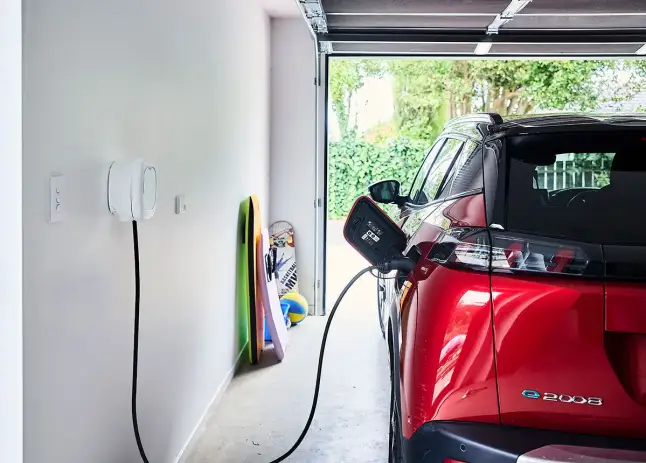
EV charging that’s in line with industry best practice ensures safety, efficiency, and long-term cost savings while supporting New Zealand’s transition to cleaner transport. The PAS highlights key reasons why careful selection and installation of EV chargers is essential. These include:
- Using a qualified electrician ensures compliance with New Zealand electrical safety standards, reducing fire and electrical risks.
- Smart chargers lower costs by using off-peak rates, solar power, and demand flexibility.
- Choosing a compatible and scalable charger ensures it will meet your current and future EV needs, avoiding costly upgrades.
- Smart charging reduces electricity grid demand, preventing overloads and enabling a more stable energy system.
- A well-placed charger with good cable management makes daily charging easier.
Important EV charger features
As explained in the PAS, to get the most from your charger look for models that:
- are compatible with your home’s electrical system and other smart devices
- have smart charging capabilities to optimise energy use and reduce costs
- meet your needs, as different EV charging stations have different features and capabilities.
Tips for smarter EV charging
- Start simple — even a basic smart charger can offer cost and efficiency benefits.
- Check compliance with best practice — ensure your charger meets the technical specifications in Section 5 of the PAS.
- Think ahead — choose a charger that supports future upgrades such as vehicle-to-grid (V2G) or solar integration.
Ready to get started?
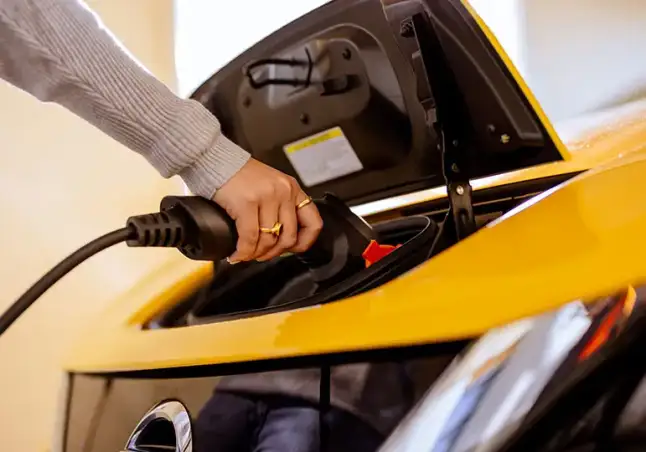
The first step is to understand your home’s electrical capacity, your EV charging needs, and how smart charging fits into your lifestyle.
Once you’ve selected a charger, use the checklist in Section 5.6 to ensure that all electrical safety measures have been considered by the installer, before installing the EV charger.
Download the PAS at no cost from the Standards New Zealand website.