

Graham and Marian Hirst have spent more than three decades adapting to changing opportunities in Hawke's Bay horticulture.
What began as an apple orchard on bare land in 1989 has evolved into a diversified growing operation that includes six hectares of blueberries, alongside smaller plantings of raspberries and strawberries.
The latest stage in their evolution has been an investment in solar energy and battery storage, helping the business manage energy costs while strengthening resilience in an increasingly competitive market.
The main motivation for solar was financial and risk management. Financial being that power prices are only going to go up.
Hirst Partnership’s system at a glance
| Location: | Hastings, Hawke’s Bay |
| Farm type and size: | 6 ha blueberries (over 2 locations) |
| Solar system: | 58 kWp roof-mounted solar array and 54 kWh battery |
| Solar investment: | $113,000 (excluding GST) |
| Annual electricity use: | ~ 70,000 kWh (based on 2025 data) |
| Expected payback: | Around 7 years |
Note that the payback period is an indicative payback estimate based on typical solar generation and expected use.
A long-term business investment
Like many New Zealand growers, the Hirsts operate in a sector facing increasing competitive pressures. The number of smaller family-run blueberry businesses has reduced in recent years, and the growers that are operating continue to look for ways to improve efficiency and control operating costs.
Investing in solar presented an immediate opportunity to put existing capital to work within the business, rather than leaving it in low-return, long-term investments.
"I had a small amount of money sitting in the bank on fixed interest which wasn't earning a lot and thought that could be much better utilised investing in solar," says Graham.
The investment was also influenced by the experience of Cyclone Gabrielle in 2023.
"After Cyclone Gabrielle we were without power for quite a few days which meant we had fresh fruit in the cool store and frozen fruit in the freezer warming up all the time. We came very close to losing it all."
The experience reinforced the importance of resilience and helped shape the final system design.
"The big thing I didn't know before this process started was if you don't have a battery, you get no power in an outage."
Understanding that distinction reinforced the value of including battery storage as part of the project.
Matching solar to energy demand
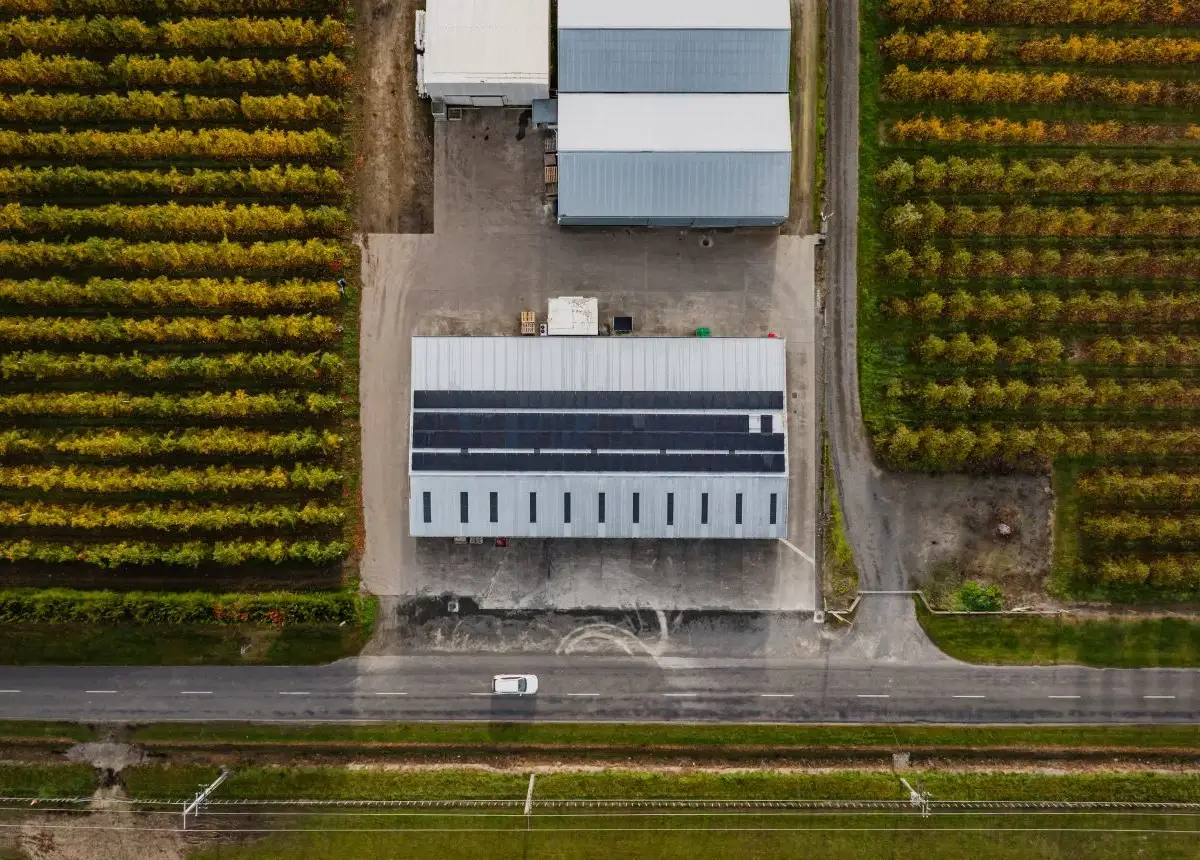
The solar system is installed on the roof of the farm's packhouse, close to some of the operation's largest energy users — the cool store and walk-in freezer, which use significant amounts of electricity throughout the year.
The 58 kWp system consists of 126 solar panels, supported by two inverters (10 kW and 30 kW) and 54 kWh battery storage designed to maximise the use of electricity generated on site.
Unlike some farming operations, where electricity demand can vary considerably throughout the seasons, the refrigeration load remains relatively consistent.
"We run the cool store and freezer 12 months of the year. Obviously they use more power in summer than winter but it's relatively stable. And the same with nighttime and daytime use — it's reasonably consistent."
The steady electricity demand means the business continues to use significant amounts of power after sunset.
While the solar array is generating enough electricity to meet much of the site's demand, Graham says battery storage is likely to be an area of focus as the business learns more about its energy profile.
Learning through the process
Prior to the project, Graham had limited knowledge of solar technology and the wider energy system. One of the most valuable aspects of the project was having an installer who managed much of the administrative side of things — from arranging the meter installation to dealing with inspectors and electricity providers.
“It's a very complicated process dealing between the power company and the lines company, and installing a new meter which is a different entity again.
“So to me it was very complicated, but because our installer was doing it all the time and was familiar with the process and knew how things worked, it was certainly a lot easier for him than it would have been for me.”
Graham says the installation process went well, despite taking place during one of the busiest times of the year.
“If we were installing again we'd do it in our off season so that people weren't having to work around each other and the installers would have the whole site to themselves.”
Choosing the right people
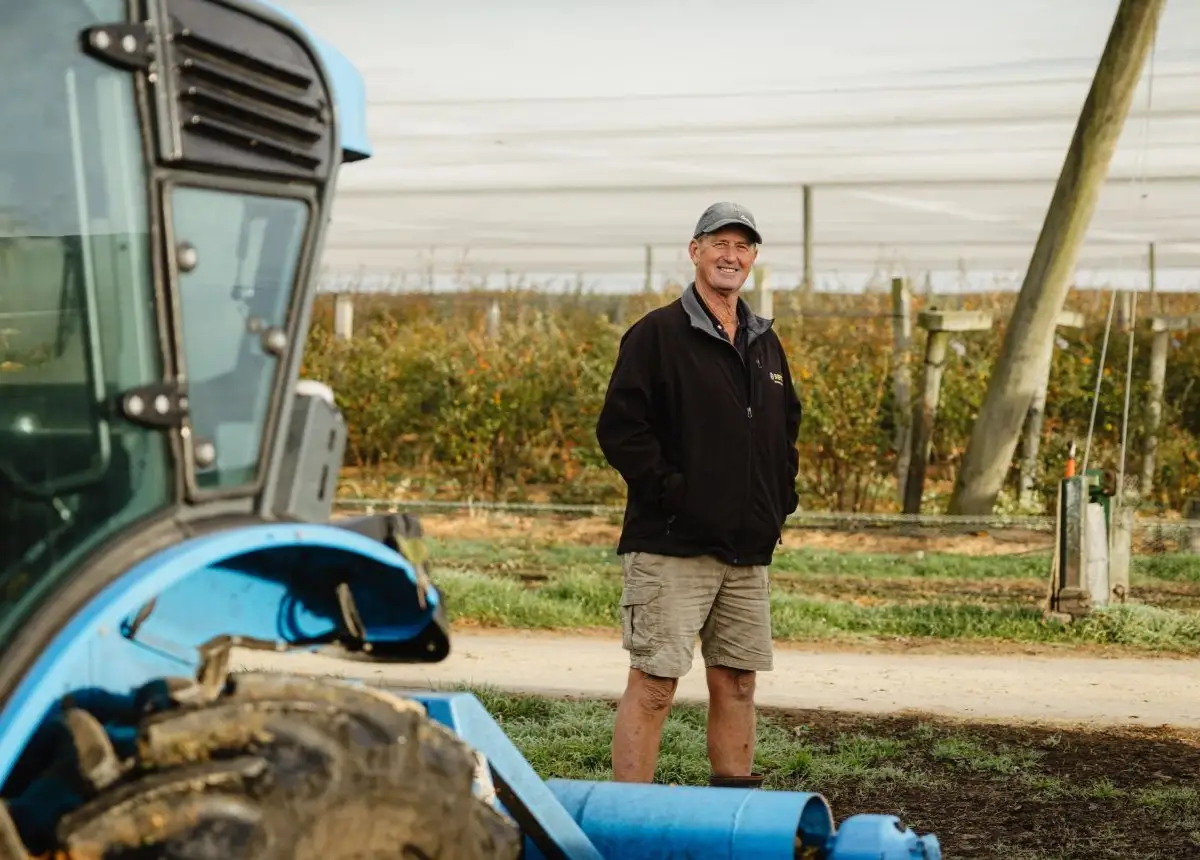
Graham says the people involved in the process of installing solar can make a significant difference to the overall experience. For growers considering solar, his first recommendation is to talk to others who already have systems installed and understand how those systems perform in real-world conditions.
"The more you can talk to existing solar panel users, especially if they've got similar needs to yourself, then that would be my best form of advice."
When it comes to choosing an installer, Graham believes word-of-mouth recommendations are invaluable, as well as finding an experienced team that explain the process and answer questions along the way.
"I think it's very important to find someone you're happy to work with and that you gel with.
“I was very fortunate. The site supervisor we had was amazing … Nothing was too much trouble. I don't know how many stupid questions I asked but I'm sure there were a few and it wasn't a problem. I think that, and having someone experienced, are the most important things.”
-
Finding the right installer
Solar can be installed by specialist solar providers or registered electricians. A good installer should work with you to design your system, and explain the process and your options.
Backing decision making with data
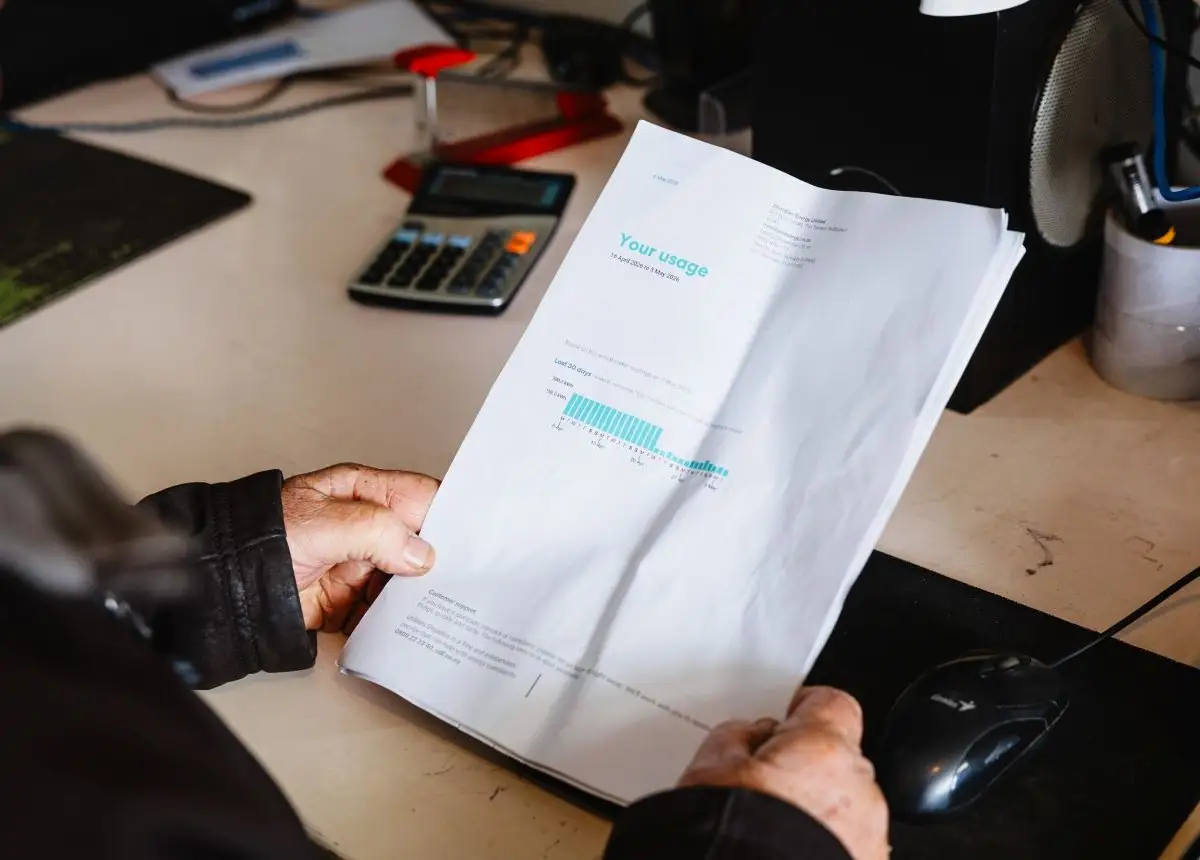
Although the system is still relatively new, it has already changed the way Graham thinks about energy use. The monitoring software provides detailed information about electricity generation and consumption, allowing the business to better understand its energy profile.
Graham is now focused on gathering a full year's worth of operating data before making any further decisions.
"In 12 months when the system has been up and running for a year we'll have a huge amount more knowledge than we have now so we can make some decisions about whether we need to move forward and improve the system or whether we're happy with where it is at the moment.”
And if they do decide to invest further, there is already capacity for expansion, with additional roof space for more panels, as well as potential for further battery storage. But for now, Graham is very happy with his investment.
“Going off the figures that I've done very approximately, payback times are looking at somewhere between five and seven years, which sounds pretty good to me. I'm very happy with it.”
Read next
-
Fairbank Farms – battery-backed dairy
This Southland dairy farm’s solar and battery system is offering resilience benefits during power outages.
- Case study
- Electricity
- Fuel switching
-
From sunlight to savings
A 54 kw solar PV system is paying off for this Wairarapa dairy farm.
- Case study
- Solar energy
-
Forest Lodge Orchard – harvesting the power of the sun
This Central Otago cherry orchard is fully electric, powered by solar and battery systems.
- Case study
- Innovation
- Solar energy