

The Energy Efficiency and Conservation Act 2000 authorises the making of regulations for energy-using products and services, including motor vehicles.
We develop and administer the regulations, standards and specifications that improve the performance of energy-using products and vehicles in the New Zealand market. Find out how this complements our non-regulatory guidance and demand flexibility work to build consumer confidence in new technologies.
On this page
Product regulations
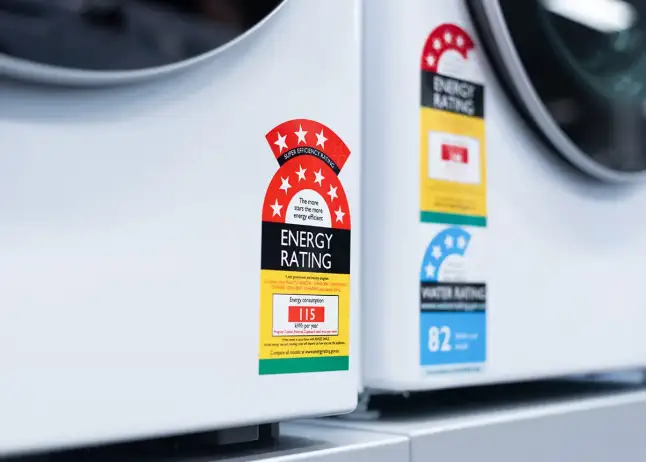
EECA regulates the energy efficiency of a range of energy-using products through product-specific regulations and standards. This includes work delivered through the trans-Tasman Equipment Energy Efficiency (E3) programme with Australia, as well as other New Zealand regulatory frameworks.
Our product regulations and standards are designed for:
- improved energy efficiency for household, commercial and industrial products
- empowering consumers, through clearer and more accessible energy information .
Vehicle labelling regulations
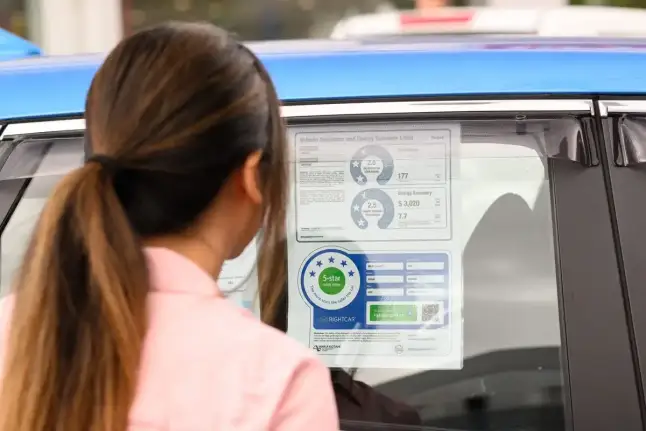
The Vehicle Emissions and Energy Economy Labelling (VEEEL) programme helps consumers compare vehicles by providing consistent information about fuel economy, carbon dioxide emissions and running costs when buying a vehicle in person or online.
Find out what vehicle manufacturers, importers, motor vehicle traders and online sellers must do to comply with the regulations.
Our future regulatory focus
The government has signalled potential changes to the Energy Efficiency and Conservation Act 2000. The proposed amendments support two core objectives:
- Streamlining processes to make sure we keep pace with other developed countries (including Australia) and have a fit-for-purpose regime.
- Future-proofing the regime by setting standards for demand flexibility and energy systems and addressing existing loopholes.
Compliance and monitoring
Read about our approach to monitoring compliance with energy-using product and vehicle labelling regulations, and find out how to comply with them in New Zealand.
-
Our compliance approach
Find out how EECA promotes compliance with regulations through education, monitoring, investigation and enforcement.
-
How to comply
Find out your legal obligations to comply with the Energy Using Products Regulations, and the Vehicle Energy Economy Labelling Regulations.
-
Report non-compliance
Let us know if you believe a business may not be complying with the Energy Using Products Regulations or Vehicle Energy Economy Labelling Regulations.
Our role in supporting flexible electricity use
EECA is taking steps to make a more affordable, flexible future a reality, in consultation with industry. We are developing voluntary specifications for appliances and equipment, and continue to collaborate with Australia to promote consistency of specifications between our countries on technology such as solar panels and EV chargers.
The proposed changes to the Energy Efficiency and Conservation Act 2000 will enable us to further support the market for flexible electricity use that lowers costs for electricity users.
These changes would enable effective responses to technological changes and market developments, including demand flexibility and the emerging use of energy-using systems. The Government has agreed to regulate flexibility requirements for EV chargers.
Demand flexibility in products
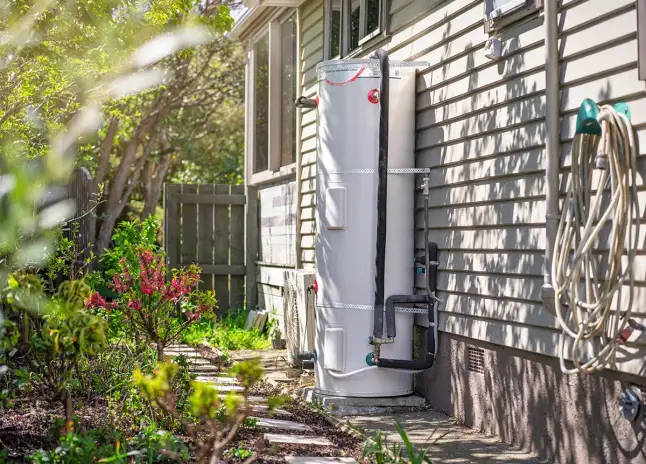
EECA is supporting the development and uptake of end-use products that are capable of using electricity flexibly, across the residential, commercial, and industrial sectors.
This work links to wider policy decisions and regulatory changes that are progressing across government to encourage the uptake of smart, flexible technologies – benefiting consumers and New Zealand’s energy system.
Non-regulatory technology guidance
Our regulatory work is supported through other voluntary programmes that build technology capability, ensure the availability of quality products and support consumer purchasing choices.
-
Approved products
EECA maintains voluntary approved lists of products that meet our efficiency and performance criteria. They are developed alongside industry experts to help New Zealanders identify, and purchase, energy efficient and smart technologies.
Find out how to register as a supplier or submit products to be included on the lists. -
Best practice guidance
Our best practice guides are developed in collaboration with industry experts to ensure they reflect the latest best practices, and are available at no cost.
Some are published as Publicly Available Specifications (PAS). These are developed by Standards New Zealand along with EECA, industry, and other experts.
-
Get in touch with us about regulations
You can reach out to our team with any enquiries related to product regulations or Vehicle Emissions and Energy Economy Labels.