

See if solar stacks up financially
To make an informed decision, look at potential costs, savings on your power bills and how you’ll pay for your installation.
-
Understand typical costs
Find out how much a small, medium or large solar system usually costs, with or without a battery.
-
Look at savings and payback
Understand how solar saves you money on power, and calculate how long it could take to pay itself off.
-
Consider financing from your bank
Learn how a 0% to 1% home energy loan could help you finance your system sooner.
How much does solar cost?
The actual cost of your solar system depends on:
- the specifics of your home, such as access to the roof
- the size of the solar system you want
- whether you include a battery for storing electricity.
The following figures represent typical costs to compare your quote with.
-
$8,500 to $11,500 for a small-to-medium system
Systems of 3–5 kilowatts can work well financially, as they produce around 50–80% of the electricity used by an average 3-person household with all electric appliances, but no EVs.1
-
Small system
$8,500
- 7 solar panels — 3 kW system size
- Includes standard install costs and GST
-
Medium system
$11,500
- 12 solar panels — 5 kW system size
- Includes standard install costs and GST
-
Large system
$20,000
- 24 solar panels — 10 kW system size
- Includes standard install costs and GST
-
Add $5,000 to $15,000 for a battery
While this price range is typical, the cost of installing a battery varies depending on its type and capacity. Having a battery is not essential — solar without one will generally give the best returns.
-
Small system with battery
$13,500
- 7 solar panels — 3 kW system size
- 5 kWh battery
- Includes standard install costs and GST
-
Medium system with battery
$21,500
- 12 solar panels — 5 kW system size
- 10 kWh battery
- Includes standard install costs and GST
-
Large system with battery
$40,000
- 24 solar panels — 10 kW system size
- 20 kWh battery
- Includes standard install costs and GST
How does solar save you money?
Solar can save the average New Zealand home $1,000 or more on their power bill each year, no matter where they live.2 Here's how.
-
Using your free electricity
The more solar power you use, the less electricity you need to pay for.
That’s how solar can significantly cut your power costs, creating those big savings you want.
-
Selling back to the grid
Any solar electricity that you don’t use can be sold to your power company, generating credit on your power bill.
You may be able to build up credit during the summer and then use it to help lower your winter power bills.
What’s the payback time for solar?
The time it takes for the money you save on power to pay back the upfront cost of installing solar depends on how and when you use electricity, but here is what's possible in the right circumstances.
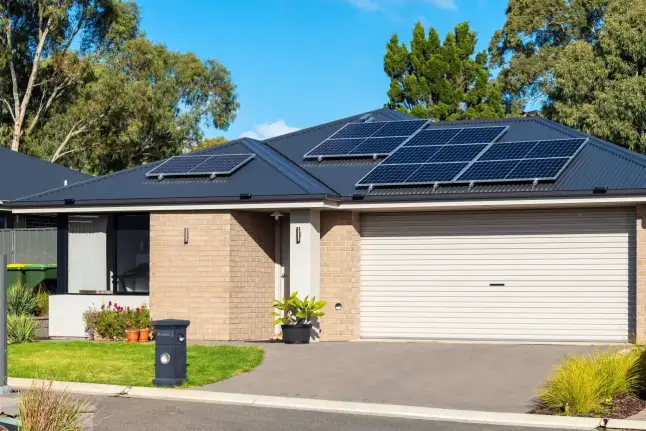
Typical payback period
7–10 years
If your household can use most of the electricity generated from solar, it’ll take 7–10 years for the money you save on power to pay back the upfront cost of installing solar.3
To achieve this, your daytime electricity use would need to be average to high, and you’d need to have electric heating and hot water.
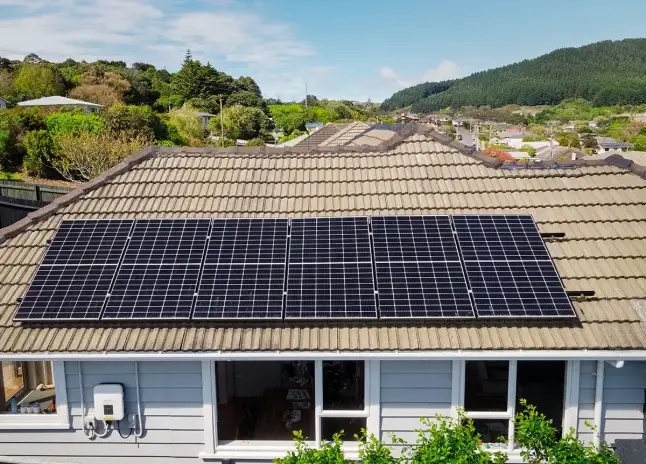
Calculate your savings and payback
Use our solar calculator to work out potential year 1 savings, the payback period, and earnings over 25 years.
Financing your solar install
Most major New Zealand banks offer 0% to 1% loans for home energy upgrades like installing solar.
A home energy loan is added to a mortgage as a top up, providing a way to finance solar. This type of loan can often be paid off well before the warrantied lifespan of solar panels.
Make sure you understand the terms and conditions of any finance provider and get independent advice when needed.
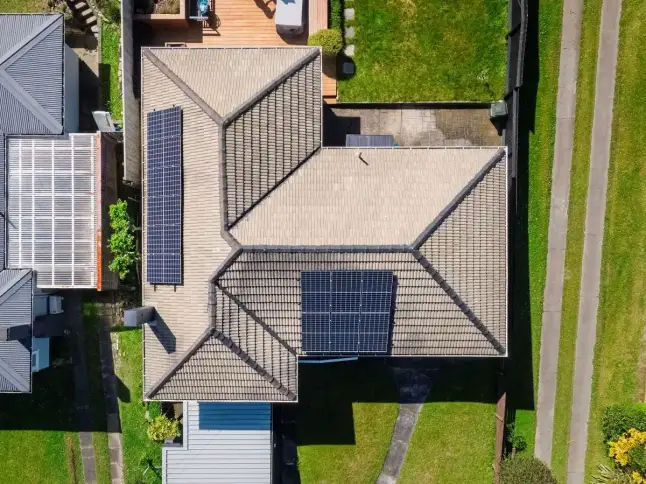
Next step
Start saving with solar
Work out what system size you need and which parts to include.