

Bring your solar dream to life

Know what to look for in a solar installer, how to assess solar quotes, and which questions you should ask to make switching on solar at your place smoother and easier.

Research solar companies

Check online to get a feel for what solar companies offer, then pick some to explore further. If you know people who have installed solar, ask them about their experiences as part of your research.

Solar can be installed by solar providers and registered electricians. You may want to look into:
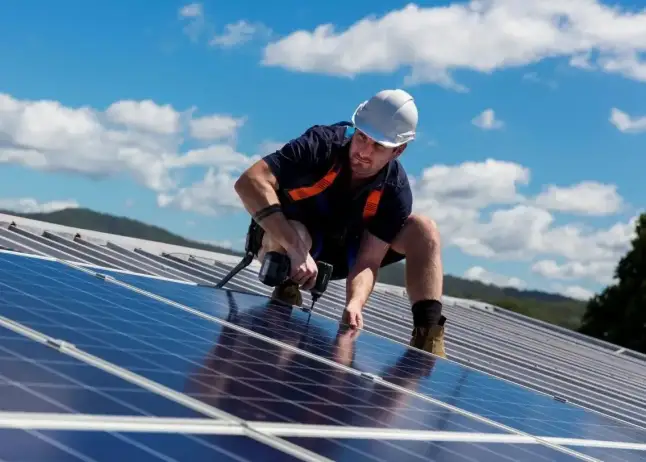
Where to look for a solar installer

For a directory of solar providers, try SEANZ (the Sustainable Energy Association of New Zealand) and to find registered electricians near you, visit the Master Electricians’ website.
 
View solar provider directory(external link)

Search for a Master Electrician(external link)

Source multiple quotes

As you would with any large purchase, it pays to get 2 or 3 quotes so that you can compare the advice they give you, as well as costs.

It’s best to choose an installer who can come to your home and do an onsite assessment. To plan the right system for you, they’ll need to assess your property’s suitability.

Find out more about planning your system

Solar quote checklist

Use this checklist to ensure you aren’t going to have any hidden costs post install.

What should be in your solar quote:

  • Scaffolding or edge protection (if required).
  • The cost of components including all cabling, inverters, controllers, surge protections, and a specially designed solar panel racking system.
  • Any necessary roof work.
  • Any necessary consent applications.
  • All inspections required.
  • Any potential distribution upgrade requirements.
  • The cost of installing an import/export meter.
  • Battery storage installation (if you are getting a battery).  

Questions to ask installers

When an installer visits your home, it’s the perfect time to ask some key questions. This can help you get a more accurate quote with fewer unexpected costs.

Compare quotes

Once you’ve got the quotes, review them for:

  • Activating finance

    Most banks offer home energy loans that can be used to finance solar systems. You need to have a quote before you can apply for financing from your bank. 

    More about financing your install

The solar installation process

Once you’ve accepted a quote and made a deposit, the solar company will set an installation date.

The process is usually complete in 4 weeks or less. An install can take longer if any parts need to be ordered and shipped, or the installation is complex (for example, if scaffolding is required).
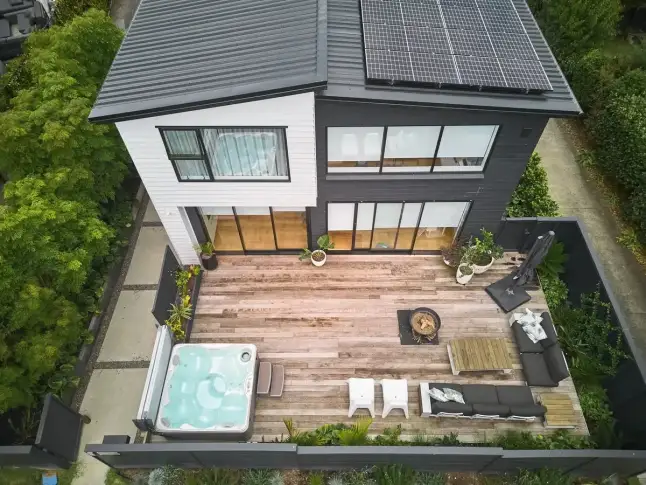
What happens during installation

  • Consents and network connections

    Building consent is no longer required to install rooftop solar panels on most existing homes (with some exceptions).

    Your installer will lodge a distributed generation application for you. If your system is under 10 kW this should be quick and easy, and the cost minimal.

    It generally takes 1 to 2 weeks for your network operator to approve the application — your installer will let you know. 

  • Meter reconfiguration

    Before your system can be switched on, your installer needs to request that your electricity meter is reconfigured to enable two-way metering, so that you can sell any excess power back to the grid. This could happen before or after installation day.

    Once metering is done, the network updates your home’s status to ‘distributed generation’ and export is enabled. Until this is complete, you can still generate power for yourself, but you can’t sell any back to the grid.  

  • Installation day

    Usually, the installation takes place in 1 or 2 days and is done in this sequence:

    • The panels, inverters and other components are delivered (or this may happen earlier).
    • On some roofs, the installers may put temporary railings in place for their safety, or they may need to put up scaffolding.
    • Metal rails are attached to the roof, and the solar panels are attached to the metal rails.
    • The inverter is installed, usually on the wall of your garage (or another safe location).
    • Cabling is installed to connect the solar panels on your roof to the inverter.
    • The inverter is connected to the switchboard and a circuit breaker added.

    After installation, the installer will send you (and the electrical inspector) a certificate of completion.

  • Electrical inspection

    Following installation, your installer will arrange for a registered electrical inspector to come to your home and check that the installation has been done correctly and is safe. If it meets the requirements, you’ll be given an Electrical Safety Certificate for your new system.

    The wait time for this inspection could be as soon as the next day or could be several weeks during busy periods. The cost of this inspection should be included in your installer’s quote.  

  • Learn how to use your new system

    At the end of this process, your installer will turn the system fully on and should show you the basic functions of the inverter. They’ll also discuss maintenance and cleaning instructions for your system, common troubleshooting advice, and leave any instruction manuals with you.

    If your system has one, your installer will connect you to a monitoring app that you can use to track and manage your solar production. They should run you through how to use the app.   

Next step

Maintain and optimise

Learn how to get the full benefit from solar.

  • Improve home efficiency

    Tips for improving energy use in your home. 

    Easy ways to save