

How the requirements apply to you
Find out how the Energy Efficiency (Energy Using Products) Regulations impact you if you are a retailer, manufacturer or importer of a product covered by the regulations.
-
About the programme
The E3 programme covers product energy efficiency regulations in Australia and New Zealand.
-
Check product list
There are energy efficiency and labelling requirements that products must meet if covered by the regulations.
-
How to comply
Find out what you need to do if your products are regulated in New Zealand.
Energy using product regulations
Under the Equipment Energy Efficiency (E3) programme, New Zealand and Australia regulate the energy efficiency of products in both countries. There are two measures that are developed under the regulations:
- Minimum Energy Performance Standards (MEPS) — Products must meet minimum energy efficiency standards to be sold in New Zealand.
- Mandatory Energy Performance Labelling (MEPL) — The Energy Rating Label helps consumers compare energy efficiency and running costs of different products when deciding what to buy.
Both measures are reviewed regularly to keep pace with technology and to continue to raise energy performance.
When Regulations are updated, you can still sell existing stock manufactured in New Zealand or imported before the enforcement date. It doesn’t have to meet the new requirements but it must meet the old requirements.
Any new stock manufactured in New Zealand or imported after the updated Regulations come into force must meet the new requirements.
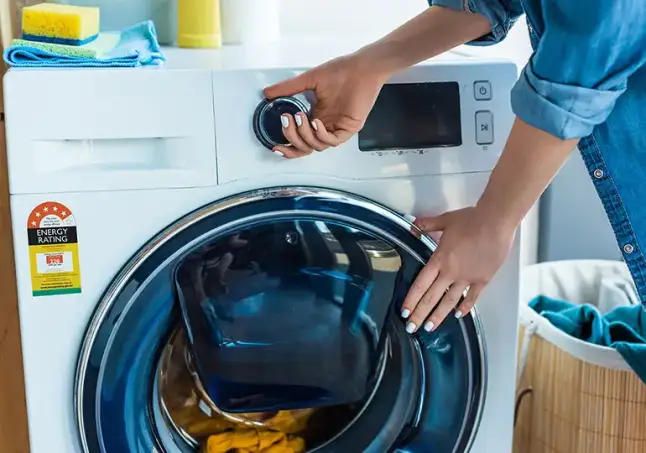
Regulated products list
The Energy Efficiency (Energy Using Products) Regulations 2002 cover appliances and other products for home, commercial and industrial use.
The products that are covered by the regulations are required to meet certain standards and labelling requirements.
What you need to do to comply
The regulations have different requirements if you are a retailer, or a manufacturer or importer. It is important to understand how these requirements apply to you and your business, as failure to comply can result in a fine.
Exemptions
The regulations apply unless your product is second hand (and has been used by a consumer in New Zealand) or it meets the criteria of a Minimal quantities' exemption or the Trans-Tasman Mutual Recognition Agreement.
-
Minimal quantities exemption
In specific circumstances where very few products are being imported into New Zealand, importers and manufacturers may be exempt from registering their products.
-
Trans-Tasman Mutual Recognition and Free Trade Agreements
The Trans-Tasman Mutual Recognition Agreement (TTMRA) allows goods imported into one country to legally be sold in the other without meeting the other country’s requirements.
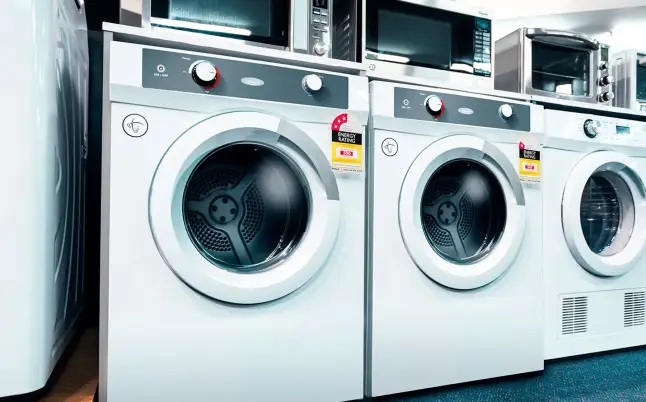
Next step
What you need to do to comply
Find out your legal obligations if you import, manufacture, sell, hire, lease, or provide hire purchase of regulated products in New Zealand by reading our guidance.
-
Our approach to compliance
How EECA promotes compliance with product and labelling regulations through education, assisted compliance and enforcement.