

Each year, we track the sales and energy performance of regulated products sold in New Zealand. Here are our key insights for 2026, based on data from April 2025 to March 2026.
Energy saving purchases add up
New Zealanders are continuing to choose more energy-efficient products when they buy new technology, even as overall sales volumes ease.
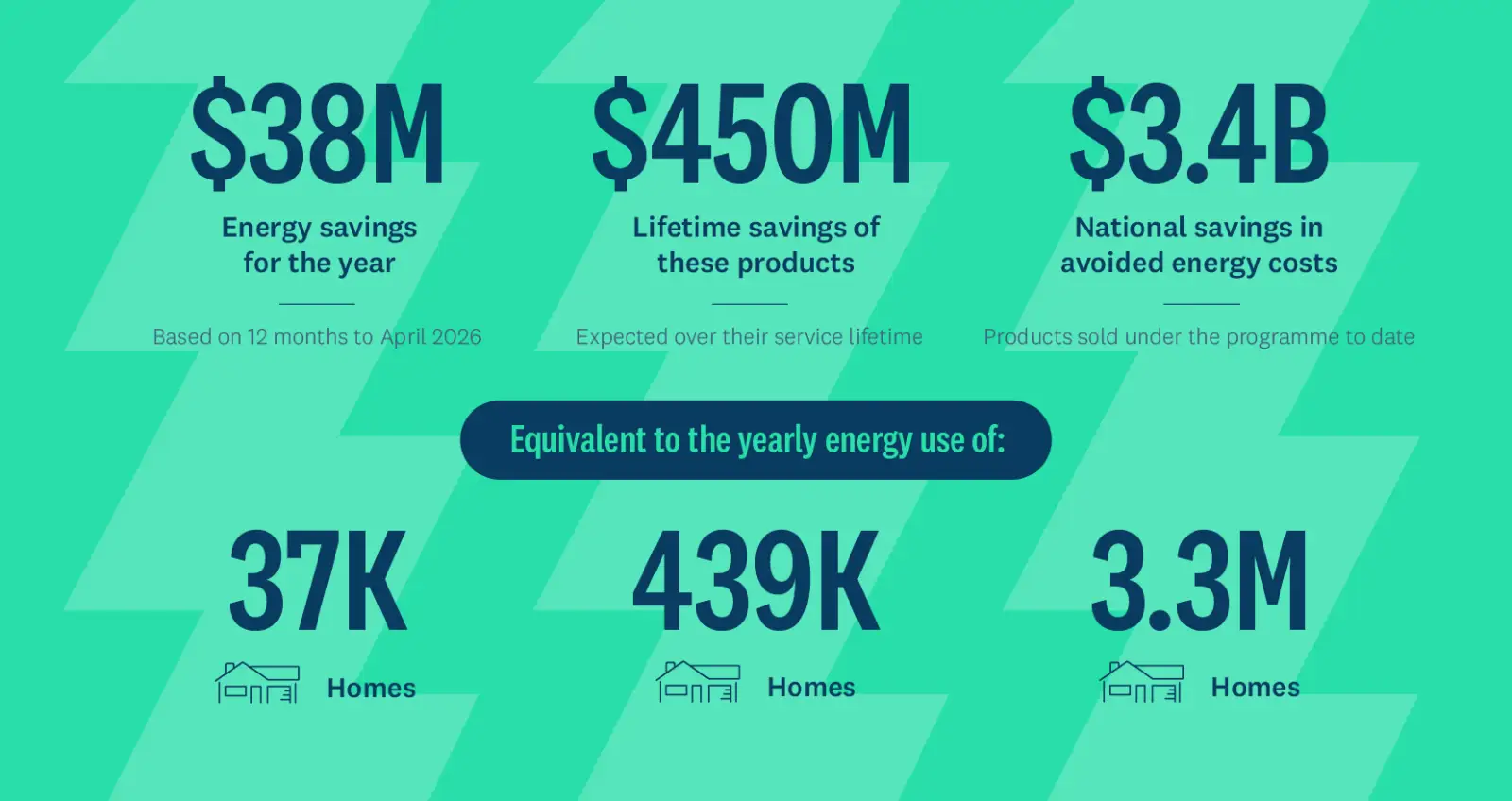
In 2025/26, around 3.3 million regulated products were sold — a 17% decrease in sales from the previous year. Despite this decrease, the national energy savings associated with the products sold increased — helping kiwis to save money on their power bills without changing how they use their home technology.
Energy savings achieved
From the time EECA’s Equipment Energy Efficiency (E3) programme started in 2002, 113 million energy-efficient products have been sold in New Zealand, saving businesses and consumers 38 billion kWh of energy.
That equates to $3.4 billion of national benefits1, by avoiding generating unneeded electricity, and over $9 billion in savings on power bills for consumers2. These efficient appliances have also avoided 4.8 million tonnes of carbon emissions.
Sales trends
Overall sales volumes dropped across most regulated product classes, resulting in a 17% decrease in product sales. However, more efficient products were sold which caused an increase in estimated energy savings and national benefit.
Heat pump sales increase
This year there was an increase in the sales of heat pumps, up 3% on the previous year, to 196,000 units. Heat pumps have the biggest contribution to energy savings out of all the product classes, accounting for 31% of our total reported energy savings this year.
Fluorescent lamps sales continue to decrease
This year saw a 76% decrease in sales of compact fluorescent lamps. This is the largest decrease in sales that this product category has had. This may be due to this technology being superseded by more energy-efficient LEDs.
How product regulations reduce running costs
EECA regulates energy-using products to help lower costs for households and businesses. Our regulatory programme ensures you have access to the best-performing products and reliable information about them.
We work closely with Australian regulators under the E3 programme. Sharing the cost of regulation makes it easier and cheaper for businesses trading in both countries to comply, and means consumers are offered a wider choice of products.
New Zealand regulations use:
- MEPS (minimum energy performance standards) to remove the worst performing models
- MEPL (mandatory energy performance labelling) to encourage consumers to buy more energy efficient appliances.
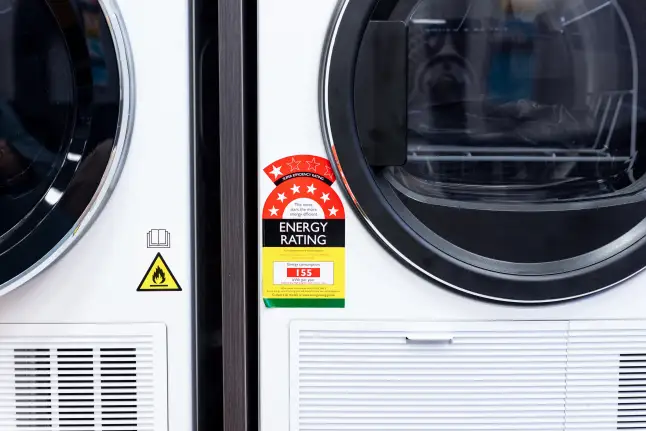
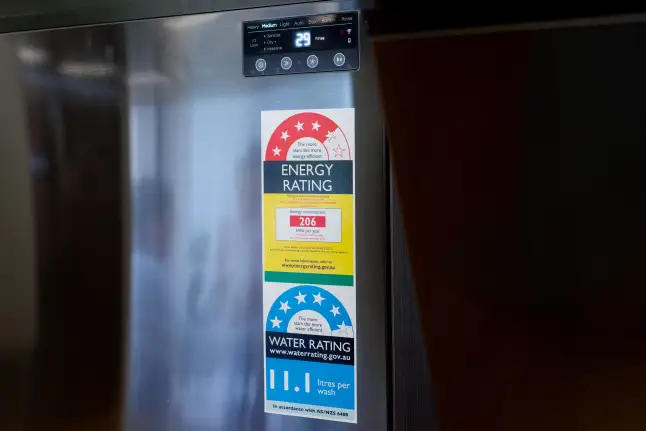
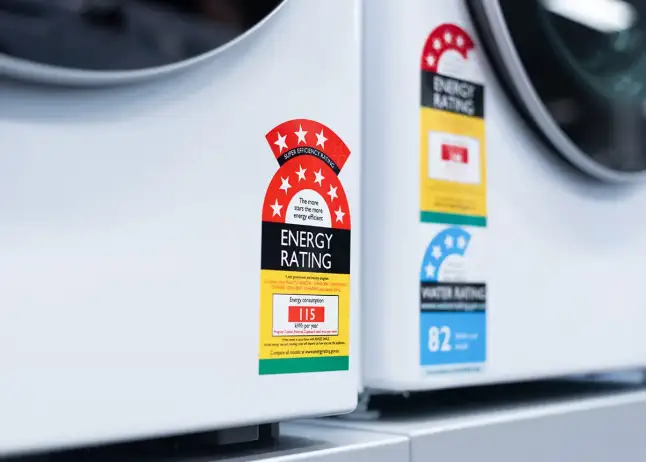
The labels display the product’s energy performance on a scale of 1 to 10 stars, with 10 being the most energy efficient.
Calculator
Choosing efficient technology
Energy rating labels make it easy to compare the efficiency and running costs of similar appliances. The more stars, the more efficient the appliance is compared to a similar product of the same size.
The efficient appliance calculator can help with easy comparison of products with energy rating labels in New Zealand.
-
Choose good appliances
More efficient home appliances help you to use less energy and cut your monthly power costs. Learn how to compare products and make a good decision within your budget.
-
Plan your home energy upgrades
Find opportunities to save by investing in key home appliances and technology, and making a plan for how you use energy in your home.
-
Home energy savings calculator
See how much you could save on running costs by switching to energy-efficient appliances.