

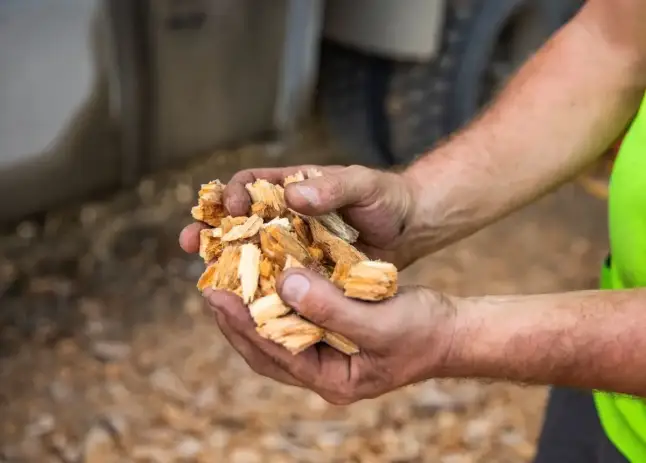
About this biomass boiler guide
- Who it’s for: Businesses and organisations that are procuring energy efficient biomass boilers for commercial, institutional, or industrial applications. It also contains technical detail for engineers and consultants looking to assist with biomass boiler procurement or supply.
- How it helps: Whether you’re replacing an existing boiler, transitioning from fossil fuels, or installing a biomass boiler for the first time, this guidance helps you to make informed decisions. It covers key considerations such as fuel sourcing, system efficiency, emissions control, and long-term operational costs.
This best practice guide is a Publicly Available Specification (PAS) developed by Standards New Zealand, EECA, industry, and other experts.
Why getting biomass boiler procurement right matters
Selecting the right biomass boiler is essential for maximising energy efficiency, reducing emissions, and ensuring cost-effectiveness. The PAS outlines why careful selection and installation of biomass boilers is essential:
- High-efficiency biomass boilers can deliver significant fuel savings and lower operating costs.
- Choosing a system with efficient combustion technology helps minimise greenhouse gas emissions and particulate matter.
- Ensuring the availability of sustainably sources biomass fuel reduces supply chain risks.
- Matching boiler capacity to actual heating demand prevents inefficiencies and excessive fuel consumption.
Important biomass boiler considerations
As outlined in the PAS, key features to consider when selecting a biomass boiler include:
- Fuel compatibility to ensure the system supports the intended fuel type.
- Effective systems to minimise particulate emissions.
- The system reliability, maintainability, and after-sales support to minimise downtime.
Tips for a successful biomass boiler installation
-
Plan for long-term fuel supply — establish contracts with reliable suppliers to ensure consistent fuel availability.
-
Evaluate total lifecycle costs — consider not just upfront installation costs but also fuel, maintenance and operational expenses.
-
Ensure site suitability — assess space availability, fuel storage needs, and any necessary infrastructure upgrades before installation.
Ready to get started?
Before procuring a biomass boiler, review the full PAS to understand key technical specifications and best practice recommendations. The checklist in Section 2.11 will help you ensure all key factors in biomass boiler procurement have been considered.
Download the PAS at no cost from the Standards New Zealand website.