

Objectives
The Community Renewable Energy Fund (CREF) is currently delivering a community resilience programme of work to support targeted communities with their emergency planning and energy resilience needs.
Eligibility
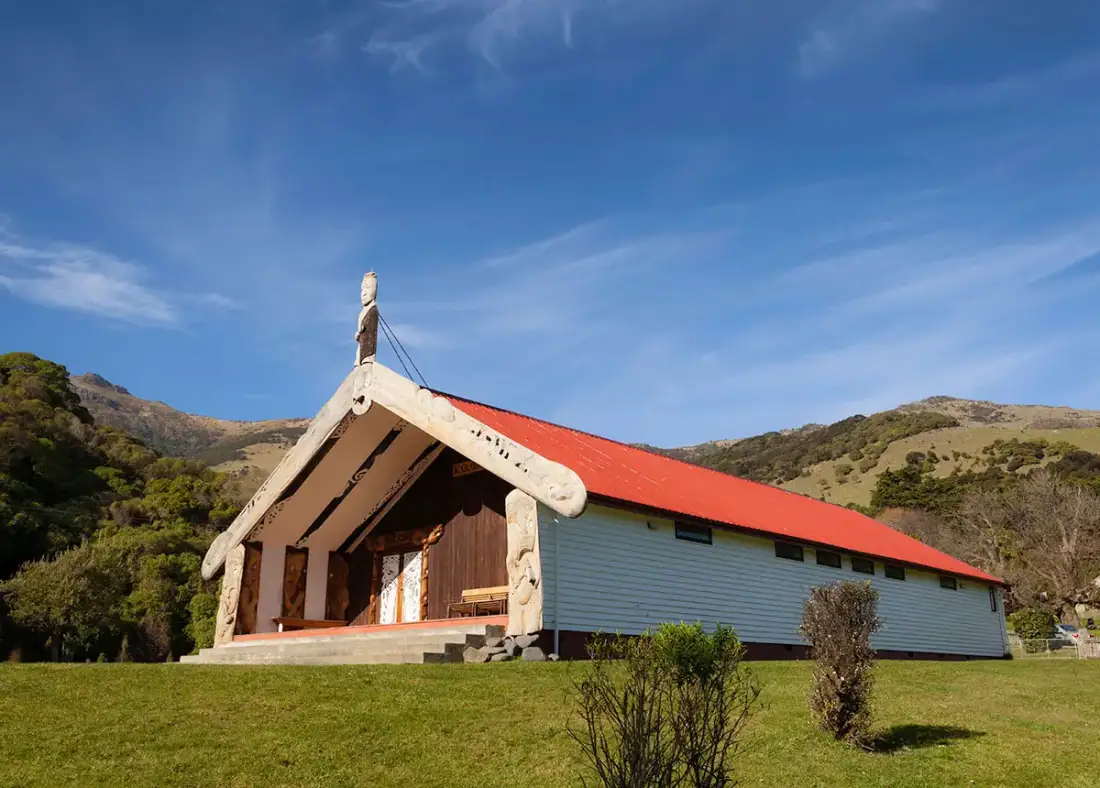
- Community buildings, such as marae, places of worship, schools and community halls, used by the community in emergency events.
- Community buildings nominated by regional partners and government agencies.
- Target of 25% co-funding across the programme.
What this fund is for
The CREF community resilience programme of work is enhancing the emergency preparedness and energy resilience of targeted community buildings that are used by the community in the event of an emergency, disaster, or severe weather event.
Community buildings are often used in civil defence events to protect people during and immediately after emergency events. The fund’s investment in solar PV and battery systems for these buildings will provide communities with renewable energy for emergency events and for day-to-day use, resulting in lower energy costs.
How the fund works
EECA is not running a contestable open funding round for these grants. Suitable community buildings — marae, places of worship, schools, and community halls — are being identified and prioritised in collaboration with government agencies, local authorities, Civil Defence Emergency Management, and community and Māori organisations involved in emergency planning and energy resilience.
By the end of 2025, it is estimated 217 community resilience sites will have been selected to receive a solar PV and battery system. The average cost per site is $88,000, with an average capacity of 28kW for solar and 32kWh for battery stems.
CREF expanded to provide solar on schools
Schools sit at the heart of communities, supporting not only education, but also local resilience and continuity during energy disruptions and emergencies.
As part of our work to support energy resilience across our communities, $20m additional funding has been allocated to the CREF programme to support the rollout of the Solar on schools programme – delivering a combination of solar, batteries, and energy management systems to schools throughout the country.
A joint initiative between EECA and the Ministry of Education, the $30 million programme announced in June 2026 will support up to 500 schools to install rooftop solar, including 150 with energy management systems, and some schools with batteries. The programme will help schools save on energy bills, increase resilience and support them to have more control over their energy costs in the long-term.
In August The Ministry of Education released an Expression of Interest (EOI) for the planning, design and delivery of solar systems, alongside the full list of 500 schools eligible for the Solar on schools programme. This EOI closed 7 September 2026.
The procurement approach is split into two parts; planning and design, and delivery, in order to get the benefits of delivering at scale, while creating opportunities for local delivery businesses.
Successful EOI respondents will join a register of prequalified suppliers, who can then be invited to tender for specific school projects through the 3-year programme. We expect planning and design contracts to be awarded in December 2026.
For more information about how the programme relates to your school, visit the Ministry of Education website.
Solar on Schools | New Zealand School Property Agency(external link)
Community resilience programme funded sites
As of February 2025, 67 sites impacted by the 2023 Auckland floods and Cyclone Gabrielle have been selected to receive funding for solar photovoltaic (PV) and battery systems.
Throughout 2025, EECA is partnering with regional partners in Northland, Tairawhiti, Hawke's Bay, Tararua, Wairarapa, Waikato, Bay of Plenty, Marlborough, Nelson, Tasman and West Coast to deliver an estimated further 150 community buildings with solar PV and battery systems.
Sites confirmed to receive grants are published below. This list is regularly updated as sites are confirmed.
In July 2025, EECA approved 22 regional partners who will receive a total of $9.6 million in co-funding, with regional partners committing a total of $3.2 million. The list of partners can be downloaded below; as sites are confirmed they will be added to the expanded lists.
CREF first funding package projects
Prior to the commencement of the community resilience programme, a total of $1.12 million in funding was awarded to five community renewable energy projects in 2023.
Contact