

Electric vehicles (EVs) have the potential to play a broader role in the Aotearoa energy system, beyond transport.
EECA is trialling the use of two-way chargers in real-world settings to better understand how this technology works and how households and businesses can use it effectively in New Zealand.
On this page
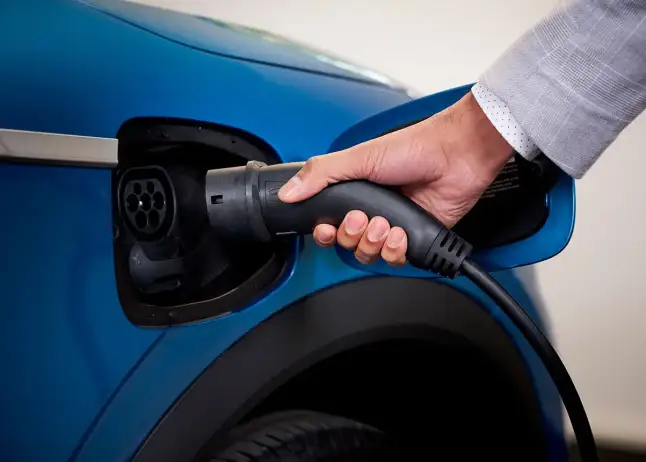
EECA’s work on two-way charging
EECA is trialling the use of two-way chargers (specifically those with vehicle-to-grid and vehicle-to-home/vehicle-to-business functionality) to understand how the technology works in real-world conditions, including:
- what’s required to enable them to interact with the electricity system
- how they interact with the electricity system, including responding to electricity price changes and times of peak demand
- how they can add value for a variety of homes and businesses
- how people will engage with and use them.
The findings will help build an evidence base to inform future policies and guidance that enable two-way chargers to be rolled out effectively across New Zealand.
What is two-way electric vehicle charging?
With standard EV chargers, electricity flows one way from the grid into the vehicle. Two-way chargers enable electricity to also flow in the opposite direction – from the EV into a home, building, or the wider electricity network. Two-way EV chargers are also referred to as bi-directional chargers. They enable EV batteries to be used more flexibly.
When parked and plugged in, an EV can store electricity in its battery during periods of lower power demand and return it when demand is higher, helping to balance the electricity system.
This means an EV can:
- charge when electricity demand or prices are lower and/or when there is plenty of renewable electricity being generated.
- supply electricity back to the grid when demand is higher and/or generation is more expensive.
- act as a source of stored energy when it is not being driven.
Two-way charging is an emerging technology
Two-way chargers, specifically those with vehicle-to-grid, vehicle-to-home, and vehicle-to-building functionality, are emerging in the New Zealand market and are not yet widely available. While there is growing uptake and widespread trials internationally, the technology remains relatively untested in New Zealand.
While interest is growing and new products are emerging, availability and vehicle compatibility with two-way chargers is limited and standards are still developing.
Queenstown two-way charging trial
A trial is currently underway in Queenstown, where EECA plans to install an initial tranche of fewer than 10 two-way chargers. If successful, we will expand the trial to around 30-40 chargers across a mix of homes and businesses with installations to be completed during 2026.
This trial is being delivered in partnership with Rewiring Aotearoa, who are supporting participant recruitment through the Queenstown Electrification Accelerator (QEA).
Learn more or register interest through QEA’s website(external link)
Urban two-way charging trial
EECA recently released a Request for Information seeking responses from organisations interested in working with EECA on additional two-way charging trials. Following this, EECA intends to undertake a trial in an urban area of New Zealand.
Once underway, additional information on this trial will be provided here.
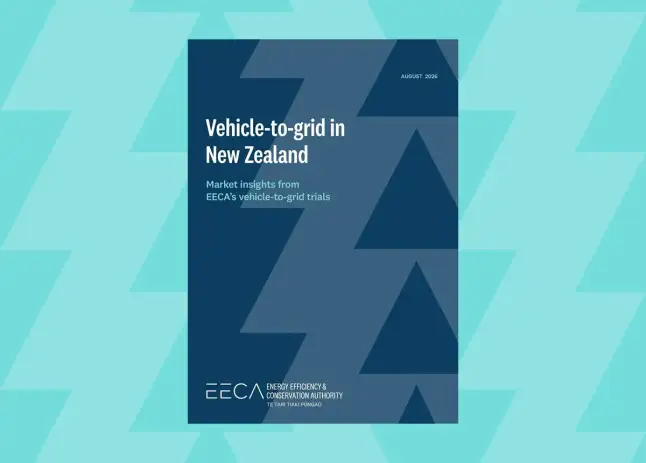
Vehicle to grid charging market insights report
The first report from our two-way EV charging trials captures insights from market research undertaken as part of the Queenstown trial. It outlines the current state of the vehicle to grid charging market in New Zealand, with insights on:
- vehicle compatibility
- manufacturer support
- charger availability
- broader market readiness
The report is informed by engagement with vehicle and charger manufacturers, electricity distribution businesses, energy retailers, and government agencies.
Next steps
EECA’s trials will collect detailed technical and behavioural data over a period of one year following installation. EECA published the first insights report in August 2026 and will continue to publish insights as the projects progress, as well as a final report upon completeion.
The next report will capture insights from the first tranche of the Queenstown two-way charging trial, covering the charger and vehicle selection process, installation experience and practical deployment lessons to inform future installations.
This page will be updated regularly with our findings and reports from this work.
If you have any questions about EECA’s trials or information on this page, please contact V2X@eeca.govt.nz.
Potential benefits of two-way charging for Aotearoa
As EV uptake grows, electricity demand increases, and more electricity comes from renewable and intermittent sources, it is essential to understand how two-way charging technology can work for Aotearoa technically, economically, and for consumers.
The flexibility offered by two-way chargers can:
- help reduce peak electricity demand and reduce strain on transmission and distribution networks, reducing the need for costly upgrades to the network of poles and wires
- enhance energy resilience and long-term energy security by making more efficient use of the infrastructure (poles and wires) we already have
- lower costs for energy users by allowing charging when electricity is cheaper and the exporting of any surplus electricity when the price is high
- help EV owners get the most value from the powerful batteries they already have in their cars
- help keep households powered up during network outages and extreme weather events.
EECA research shows home charging is the main way people charge their EVs. This means there is potential to use parked vehicles for energy storage while they are charging at home.
Thinking about buying a two-way charger?
If you are considering installing a two-way charger at your home or business, it’s important to carefully assess your options. Before selecting and installing a system, you should:
- confirm that the charger provides the specific functionality you require (see definitions below for V2G, V2H, and V2B)
- check that the charger is compatible with your vehicle’s make and model (in New Zealand), and that the vehicle manufacturer supports two-way charging in your specific vehicle
- understand any potential impacts on your vehicle warranty
- engage a qualified and experienced electrician to ensure safe installation and appropriate grid connection.
It is important to seek advice from your supplier and installer regarding electrical safety and grid connectivity. These aspects are not covered by EECA’s approved products list.
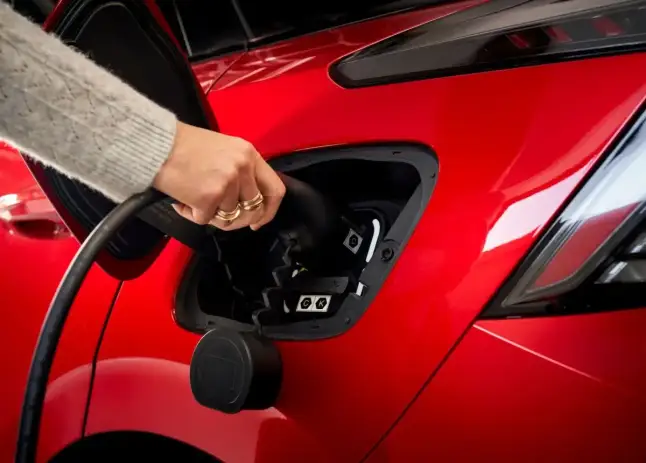
Recommended EV chargers
EECA has published approved lists of EV chargers recommended for residential and commercial use. The lists have been developed to help New Zealanders identify, and purchase, EV chargers that use 'smart' technology and are energy efficient.
EECA maintains an additional list of two-way chargers that meet the approved list requirements for smart functionality, but the two-way functionality of these chargers has not yet been assessed or endorsed by EECA.
Read next
-
How we move: Transport use and attitudes
See the results from our consumer survey — March to June 2024.
- Electric vehicles
- Market research
- Electricity
-
Flexible electricity: Community pilot projects
EECA is partnering with electricity distribution businesses (EDBs) to test how smart technology and flexible electricity use can reduce peak demand, improve network resilience and help lower electricity costs.
- Electricity
- Smart technology
-
Knowledge and awareness of residential smart EV chargers
Consideration of smart chargers among EV owners and considerers.
- EV charging
- Electric vehicles
- Smart technology