

Being smart about how you heat and cool your home will save you energy and money, while keeping it comfortable and healthy.
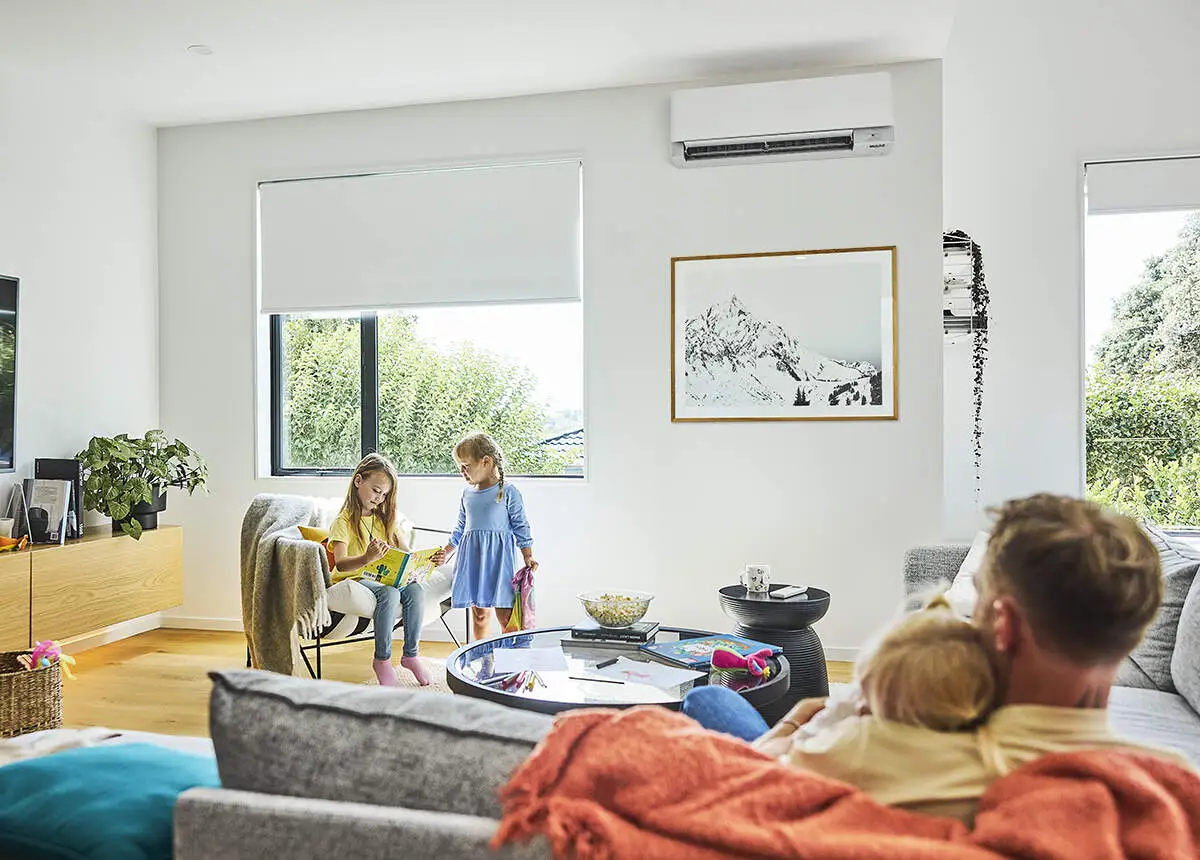
Tips for keeping warm
- A good heater in the room you use most makes a big difference to health and comfort. A heat pump is usually the best option for larger rooms, while plug in electric heaters are great for smaller rooms and offices.
- Go for a portable option with a higher wattage and a thermostat. You’ll get to a comfortable temperature quickly without wasting energy.
- Use a timer to warm the room before you need it, and switch off when you don't need it. You can buy a separate timer plug or smart plug if your heater doesn’t have one built in.
- Make sure your thermostat is not set too high — 20°C or 21°C maximum — this keeps your home warm and dry, while saving power.
- Put portable heaters on the cold side of the room or near a window — it helps to distribute the heat.
- Stay safe — keep heaters away from curtains and anything else that could catch fire. Plug in only one heater per socket.
Insulate and block draughts
Insulation makes a big difference to keeping your home warm and healthy. Your heat pump or heater won't have to work as hard, helping to reduce your energy bills.
Start with the ceiling insulation, then the accessible spaces under your floor. Blocking drafts and preventing heat escape through windows are effective ways to keep cosy in winter.
Tips for staying cool
- Open doors and windows in different rooms to move air through your home. You can fit security latches to leave windows open while you’re out.
- Plant deciduous trees to shade your house in summer. They’ll let sun through when they lose their leaves in winter.
- Install external window shades — such as blinds, awnings or louvres. Eaves or roof overhangs above north-facing windows block summer sun.
- Use fans — table-top, floor and ceiling fans use a lot less energy than air conditioning. If you have a heat pump, try the fan-only setting with your windows open.
If using air con:
- Try the dehumidifying mode — it uses less energy than full conditioning.
Shut doors and windows, and cool one room only — it's what most are made to do. - Set the thermostat to a minimum of 24ºC during the day — a lower setting won't make it work faster.
- The best time to use air conditioners is when you are trying to sleep.The ideal temperature to set the thermostat at is 20°C.
- Don't use 'auto' as it may switch to heating.
- Clean the filter with a vacuum cleaner or warm water every couple of weeks.
-
Do a healthy home check
Start by assessing your home to find out where you can make improvements. You can do a healthy home check yourself online, or a certified advisor can visit and assess your home, and tailor an improvement plan. Many offer their services free of charge.
-
Insulation and heater grants
Warmer Kiwi Homes is a government programme that provides grants for lower income homeowners covering up to 90% of the costs to purchase and install insulation and an efficient heater. Use the Warmer Kiwi Homes tool to find out if your home is eligible.