

Learn about the different types of plug-in electric heaters, how they suit different rooms, and when they are a suitable option for your home heating.
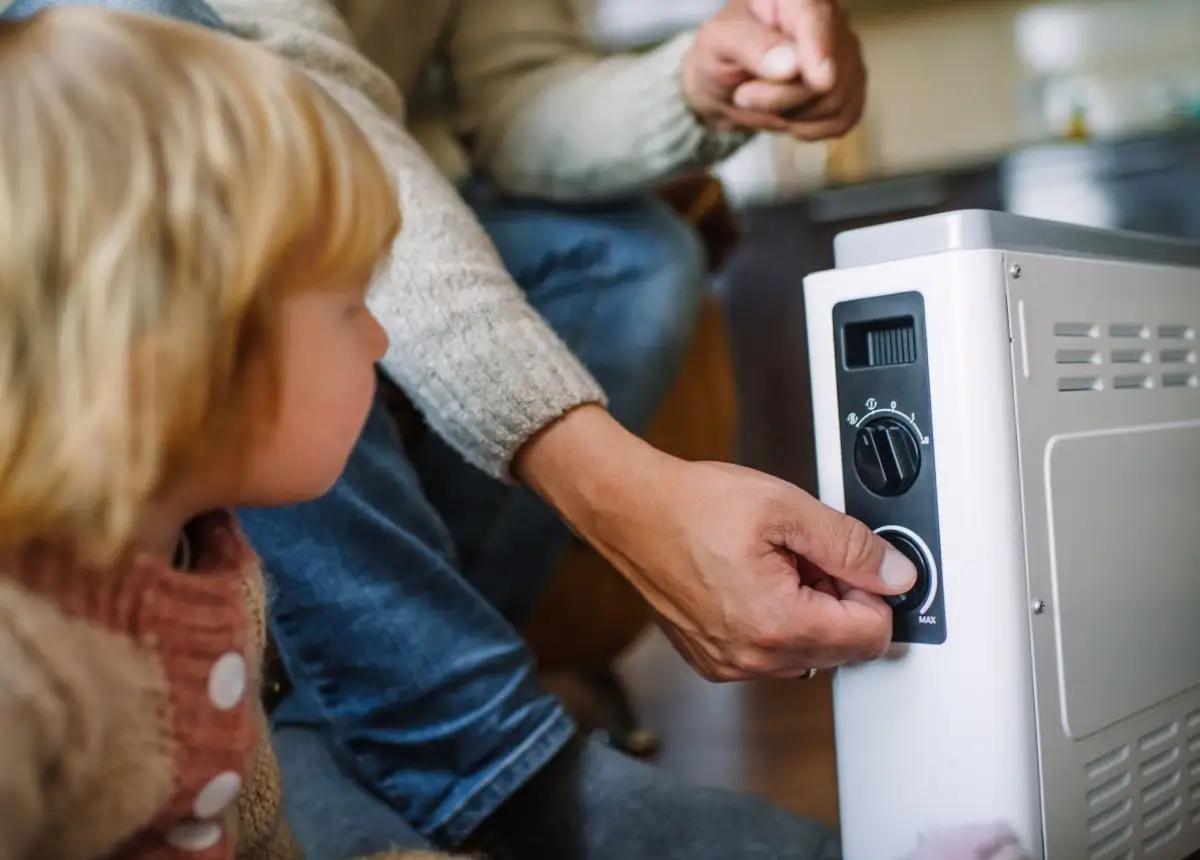
When to choose a plug-in electric heater
Plug-in electric heaters are good for smaller rooms like bedrooms and studies. Whether they’re convection, panel, oil column, fan, micathermic, radiant or infrared, they all convert our 80–85% renewable electricity into useful heat with the same efficiency.
Choose the right heater for the room
Different types of electric heaters perform better in different spaces – depending on the size of the room, and how you utilise it. Choosing the right type and size of heater can make a big difference to how warm you feel, and running costs.
-
Living areas
If you don’t have a heat pump, large areas can be heated well by a tower heater with a fan to help spread warmth quickly. Other options are large micathermic heaters or radiant bar heaters that give direct warmth in an area of a large room.
-
Bedrooms and home offices
Oil column heaters or panel heaters are often the best choice for bedrooms. They're quiet, provide gentle, even warmth, and work well in smaller spaces. Many of them have inbuilt thermostats, which are great for keeping a steady overnight temperature.
-
Personal heaters
If your home is difficult to heat, or you’re in a shared living situation, it can be more effective to warm yourself rather than the entire room. A small personal fan heater or radiant bar heater directed towards you can provide quick warmth when needed.
Types of electric heaters
Get the right size for your space
Most portable electric heaters are either 2000W or 2400W, and cost around 70–85c per hour to run on max (this can be less with a thermostat). These are generally large enough to heat a closed-off living area or a large bedroom.
Smaller heaters (1000W or less) are useful for taking the chill off a room but may struggle to maintain a comfortable temperature in colder conditions. They usually cost around 35c per hour to run.
While most plug-in electric heaters cost roughly the same to run because they are all 100% efficient (meaning they turn all of the energy into heat) — selecting the right type and size for the space will help you get better results.
-
Choose a heater with a thermostat
Look for a heater with a built-in thermostat. This will regulate the temperature in the room by controlling the power supplied to the heater — reducing the energy usage by around 9%.1
A higher wattage combined with the thermostat helps you get to a comfortable temperature quickly without wasting energy.
How much do they cost to run?
| 250W | 9 cents/hour |
| 1000W | 35 cents/hour |
| 2400W | 84 cents/hour |
(Assuming an electricity price of 35 cents/kWh.)2