

Solar is a significant investment for farmers and growers, so it’s important to take the time to understand what you’re quoted for and ensure that the system aligns with your objectives for solar.
How to use this guide
This page explains:
- what you’ll typically see in a good on-farm solar quote
- what each item means in practice
- how key figures like payback and ROI are calculated.
Use this information to interpret quotes, compare suppliers on a like-for-like basis, and know where to ask for clarification.
What should be included in a solar quote
For farms, the design matters more than the price alone. Unlike residential systems, farm operations vary widely, and a generic or ‘package’ design can lead to poor performance or unexpected costs later.
-
System design
How the system has been sized and configured for your farm.
-
Costs and financials
A breakdown of equipment, installation, and other charges.
-
Assumptions
What the installer has assumed about your energy use, exports, and prices.
-
Warranties and responsibilities
Outline of roles, payments, consents and licensing.
System size and design
This part of a quote explains how the system has been sized and configured for your farm. It describes the main components, where they’ll be installed, and the assumptions used to estimate generation and performance. It may be supported with a diagram or farm photos.
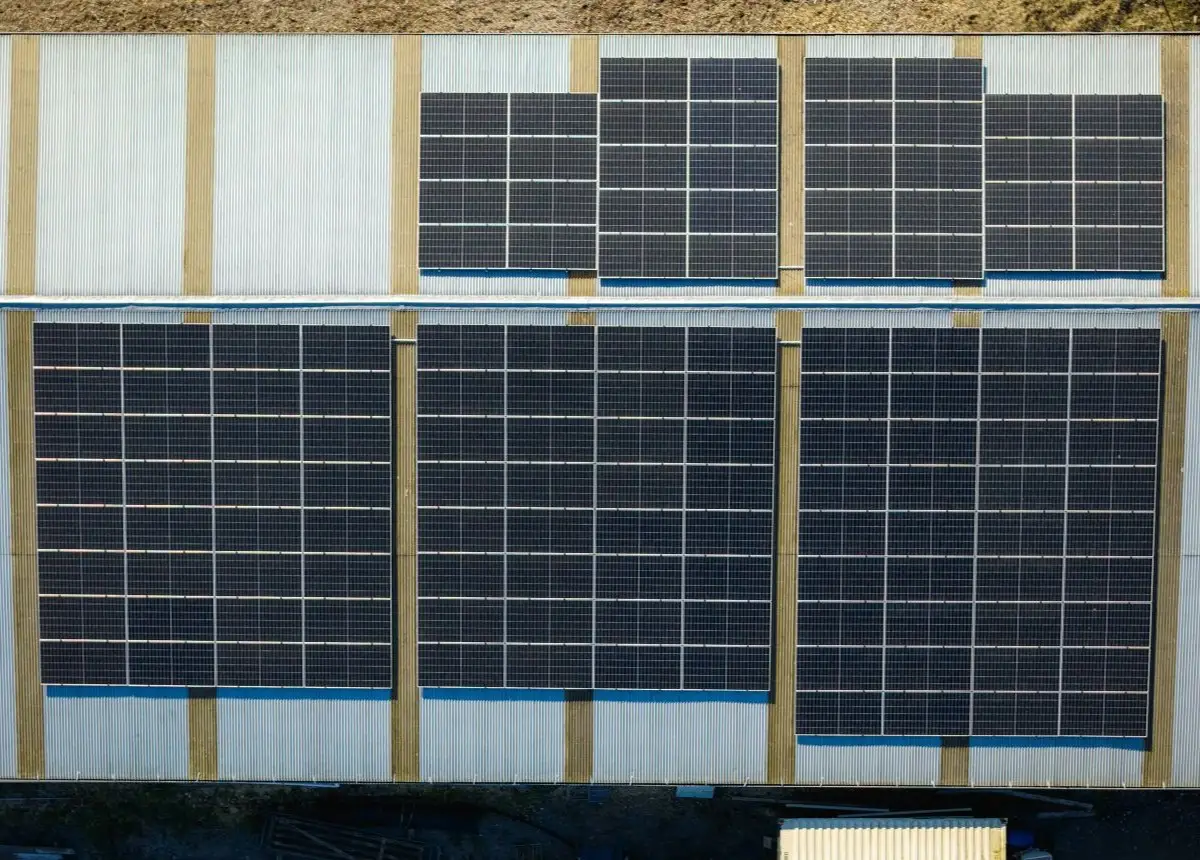
What to look for in this section of your quote
Look for clear explanations of how the system size was chosen, how the main components work together, and what assumptions have been made about your electricity use and site conditions.
Cost and financials
This part of a quote explains how the cost of the system has been calculated and how savings, payback, and returns have been estimated. It may include a graphic representation of your savings from solar, and your return on investment.
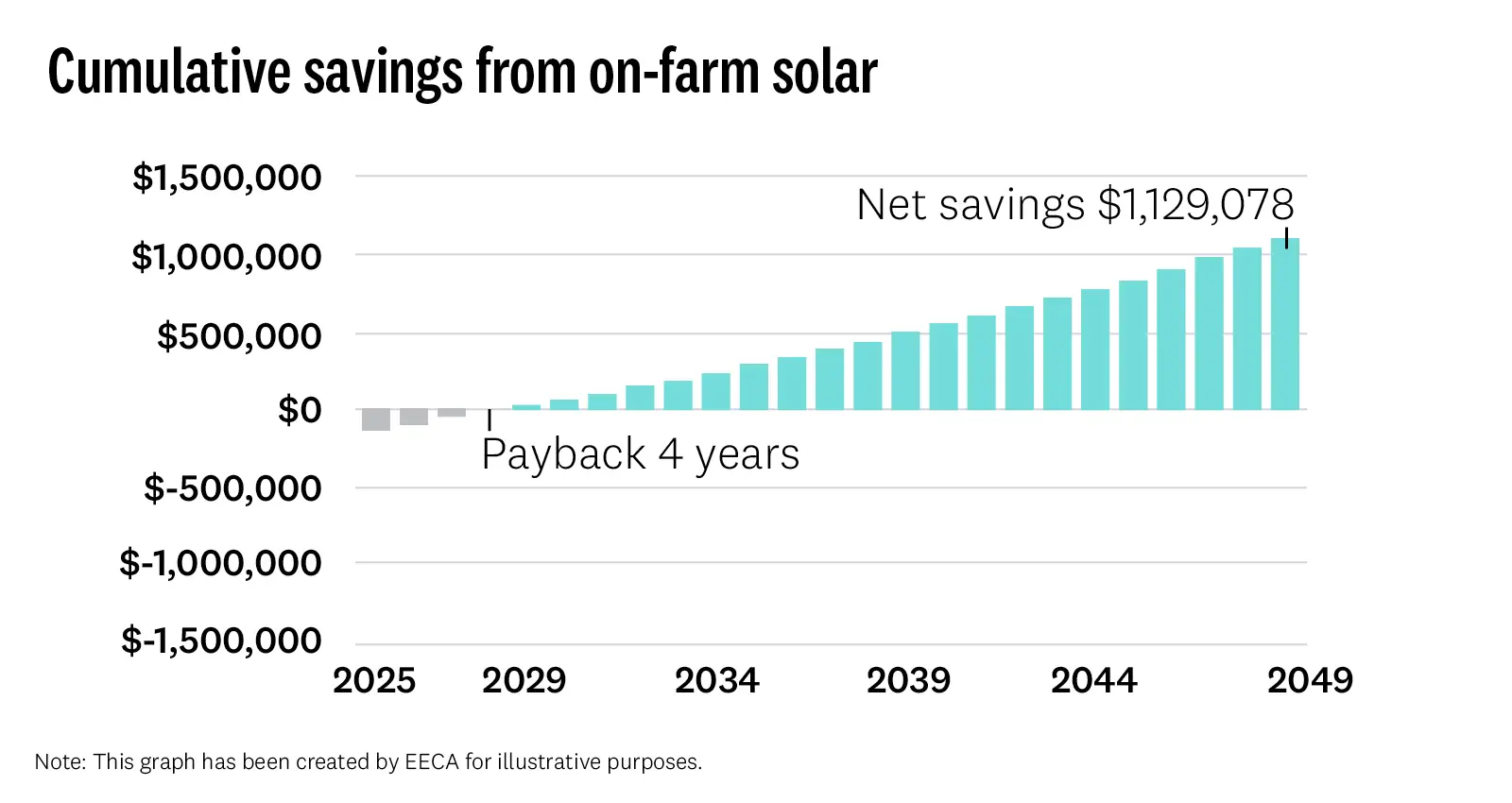
What to look for in this section of your quote
Look out for clear explanations of what costs are included and excluded, how savings have been calculated, and what assumptions have been made about electricity prices, export limits, and future changes.
How savings are calculated
The savings estimated in your solar quote are typically calculated in three steps:
- First, the installer estimates annual solar generation.
- Second, they estimate how much of that energy will be used on-site and how much will be exported.
- Third, they apply electricity prices to each portion, factoring in the time of day.
As electricity prices are likely to change over the life of your solar system, it is worth asking your installer what price assumptions they are making and applying to your quote.
The assumptions
Quotes often include projections of annual consumption, monthly patterns, and sometimes daily load profiles - these might be supported with graphs. These projections are based on a set of assumptions to determine how much solar is used on-site versus exported.
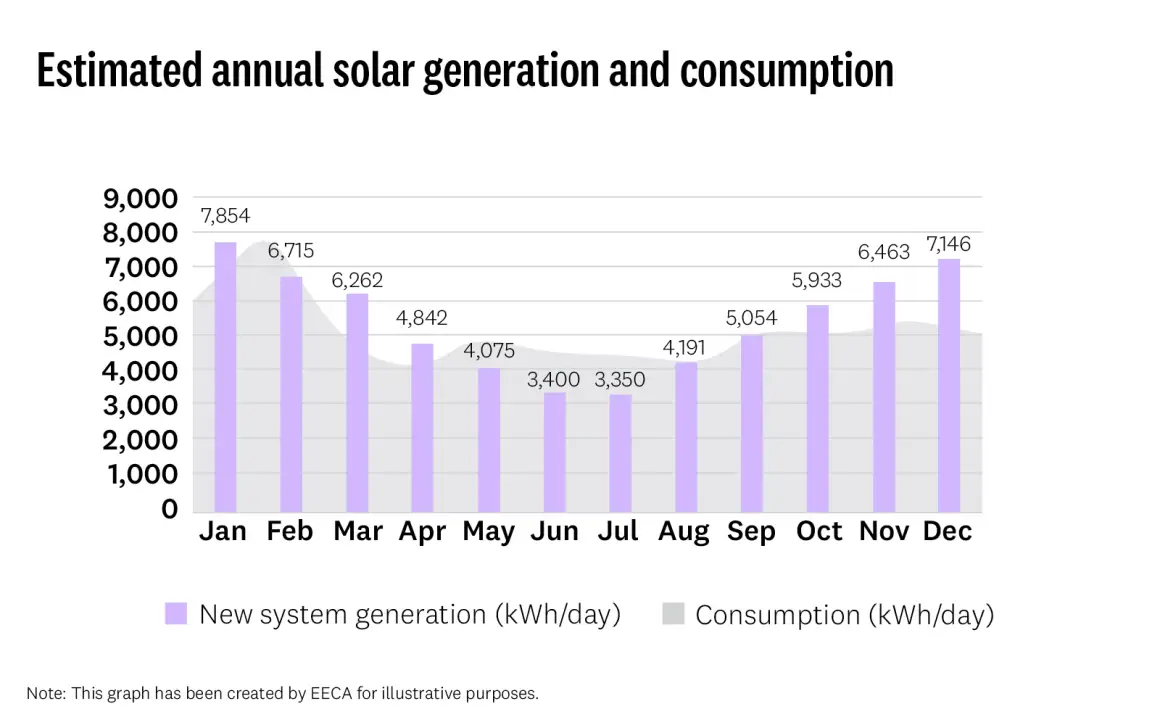
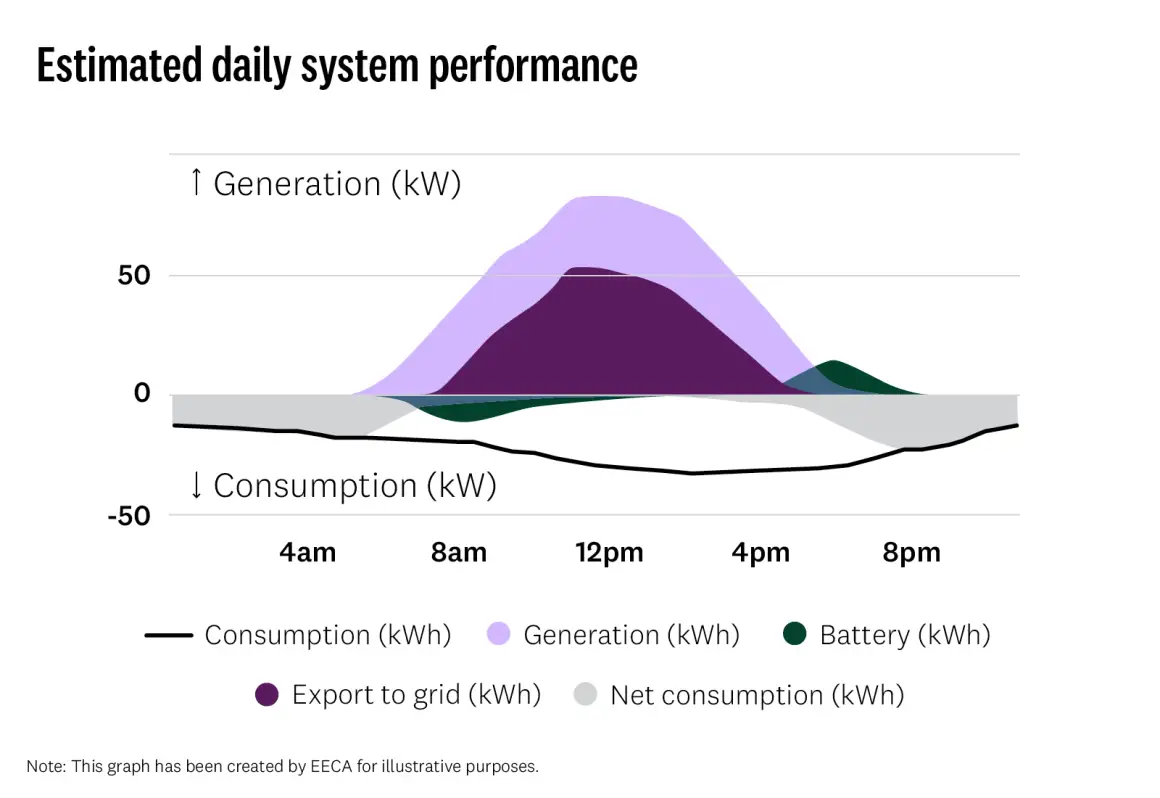
What assumptions may be included
It is worth asking your installer what price assumptions they are making and applying to your quote and ensuring that assumptions are consistent when comparing quotes.
Terms of trade, warranties, and responsibilities
Quotes should clearly outline any required consents and approvals, payment terms, warranties, workmanship responsibility, and installer credentials so that roles, risks, and costs are transparent.
Have a question about your quote?
We offer a dedicated solar helpline for farmers and growers, providing independent, practical guidance to help you make informed decisions.
Call the team on 0800 300 643, or email us at solar@eeca.govt.nz
Support includes:
-
Estimating likely system size, savings, and payback.
-
Comparing quotes and understanding key differences.
-
Help navigating consenting and connection issues.
-
Working through practical challenges during planning or installation.