

Solar can improve energy resilience and affordability, but consumers often report feeling overwhelmed by conflicting or technical information.
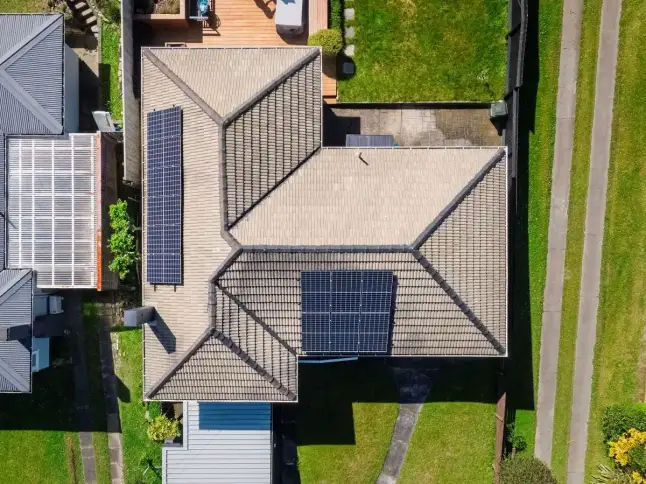
Accreditation supports industry and consumers
Trust in solar installer capability and system performance is currently a barrier to uptake.
The programme is voluntary, and our goal is to work with industry to strengthen confidence in solar quality, support consistent best practice, and help more New Zealanders adopt renewable energy safely and effectively.
You can read the final specification below.
Submissions summary
Submitters were broadly supportive of the objective of raising solar industry quality and consumer confidence, and raised important points around the criteria being clearer, more auditable, and better aligned with consumer outcomes and existing industry frameworks. This feedback informed the final criteria.
What will EECA endorse?
The EECA accreditation programme will endorse providers (not individual installers). Endorsed programmes must be able to demonstrate that their criteria and processes meet EECA’s key requirements.
By endorsing robust accreditation programmes, EECA aims to:
- enhance the safety, efficiency, and reliability of installations
- promote best practice in system design and installation
- support a qualified network of skilled designers and installers
- increase customer confidence and support wider solar adoption.
Key criteria areas
To be endorsed, an accreditation programme must cover three key areas:
How to get endorsed
We are now inviting applications for programme providers seeking endorsement from EECA. Applications will need to include evidence showing how their proposed programme will meet the minimum criteria.
To remain endorsed, programmes will need to support ongoing assurance, including being open to independent, third-party auditing.
Please get in touch at star@eeca.govt.nz.