

Save money on power
The sun in your suburb could save you more than $1,000 a year off your power bills — no matter where you live.1
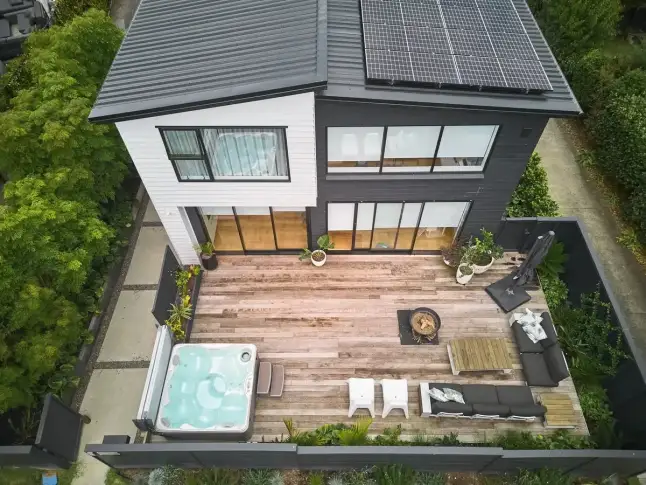
Free, long-lasting energy
A new solar system could pay itself off in as little as 7 years — and deliver you free electricity for the rest of its 25-year lifespan, making you more resilient to rising power costs.
With install prices as low as $8,500 for a small system and well-established technology, it’s easier than ever to switch on solar and watch your power bills go down.
Steps to switching on solar
Whether you’re just starting to think about solar or have already looked into it, these steps take you all the way to enjoying life without bill shock.
-
1.
Assess if solar is right for you
Start your solar journey by considering a few key factors.
-
2.
Understand typical prices and savings
Find out whether solar fits into your budget and how much you could save.
-
3.
Plan your solar system
Find out what system design would work best for your home, and whether you need a battery.
-
4.
Learn about solar technology
Understand the basics of solar technology, and find our list of recommended products.
-
5.
Get your installation underway
Begin the process of getting quotes and learn what installation involves.
-
6.
Make the most of solar
Know how to live well with solar and receive the full benefits.
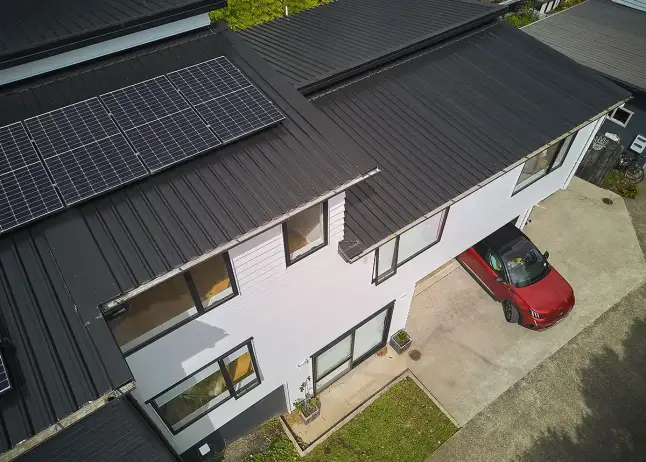
How solar affects your home's resale value
Having a solar system increases the value of your home, adding an average sale price premium of 1.34%.2
So even if you end up moving, installing solar is a worthwhile investment.
You can see which homes have solar in your neighbourhood, or one you're considering moving to, using this map.
Next step
Solar looks like a good fit?
Learn about typical costs, savings on power bills, plus options for financing solar.
-
Not right for you yet?
Discover ways to use energy more efficiently and get your home solar-ready.